|
Call: +44(0)1234 841221 E-mail: [email protected]
Selecting
Lubricating Oil for SABROE Refrigeration Compressors
Sabroe Refrigeration Compressor Spare Parts DELIVERY WORLDWIDE
including USA, Europe, Canada, South and central America, Africa,
Australia and Asia. We supply genuine Sabroe refrigeration compressor spare and parts
including piston compressors, screw compressors, scroll compressors,
semi-hermetic compressors, open type, LHV condensing, water cooled
condensing units and pressure vessels parts. Please call or email
us your Sabroe unit model number and required part. We will then contact
you with the price, availability and shipping cost. E-mail: [email protected] Popular Oils:
Oil Selection: During the past
few years Sabroe Refrigeration has experienced a number of problems with
mineral oils, particularly in R717 plants. The problems can be divided
into two groups: a:
The oil changes viscosity b: The oil decomposes (becomes very black) The problems
have been seen with several mineral oil brands, often occuring within a
few operating hours and resulting in severe consequences for both
compressor and plants. Following the careful investigation undertaken by
Sabroe Refrigeration during the past few years, it has been decided to
introduce a range of synthetic oils which can fulfil the demands of
modern refrigeration plants. Mineral oils
may continue to be used in refrigeration plants, providing the
lubricating quality is carefully monitored. For modern, high
capacity refrigeration plants, where long lifetime for both lubricants
and moving parts is expected, Sabroe Refrigeration recommends the
choice of synthetic lubricating oils. The application areas and
specifications for these synthetic oils can be found in the following
pages. Installers and/or users are at liberty to choose either Sabroe
Refrigeration's own or alternative oil brands which fulfil the necessary
specifications. General: This
recommendation only deals with the lubrication of the compressor. The
performance of the lubricant in the plant (receiver, evaporator, etc.)
must, however, also be taken into consideration. Lubricating oils with
relatively high viscosities must be used to ensure satisfactory
lubrication of refrigeration compressors. To obtain the best
lubrication, the oil must: •
Provide the required fluidity at the lowest evaporating temperature
encountered in the plant and at the highest permissible temperatures in
the compressors. •
Provide acceptable fluidity at start-up. •
Provide sufficient oxidation stability (the oil must be moisture-free
when added to the system). •
Provide sufficient chemical stability when used together with the
particular refrigerant. In addition, the extent to which different
refrigerants dissolve in the oil must be determined, so that the oil
return systems, etc. can be designed to function properly. Stratification It should be
noted that in certain plants, particularly with HFC and HCFC
refrigerants, the oil may stratify into layers in the refrigerant
receivers and evaporators at certain operating conditions and at
particular oil concentrations.The Oil recommendation diagrams for
SABROE compressors for HFC and HCFC will indicate the limits for Sabroe
oils at which this stratification occurs. The oil concentrations stated
in these diagrams must not be exceeded. This will enable suitable oil
rectification/return systems to be designed to balance with the
compressor oil "carry-over" so that the maximum concentration
is not exceeded. For area A in
the diagrams, the max oil concentration in liquid phase must not exceed
2%. For the other area, the max. oil concentration must not exceed 5%.
For area B: please contact Sabroe Refrigeration. Plants with
several different compressor types/makes In plants
comprising several different interconnected compressor types and makes,
it is strongly recommended that all compressors should use the same type
of oil. This is essential where automatic oil return systems are
employed. If it is intended to change the oil from one type to another,
please refer to the Oil changing on SABROE compressors later in
this publication. Selecting the
lubricating oil There are a
number of operating diagrams for the selection of lubricating oils for
Sabroe compressors operating with various refrigerants. Once the general
conditions concerning the lubrication of the compressor and oil type in
the plant have been considered, the specific plant conditions must be
taken into consideration. Use the Oil recommendation diagrams to
select the appropriate oil code number. The oil code
number consists of letters designating the oil type together with the
Sabroe viscosity grade number. In the oil recommendation diagrams for
each refrigerant and compressor type, it is possible to determine the
code number for the oil best suited to the operating conditions. With
this code number, it is possible to select the correct Sabroe oil for
the application. The marked area on each side of the separating line in
the diagram shows the zone where both oils are useable. Oil types and
oil companies As a result of
the large number of oil companies world-wide that deals in oil for
refrigeration plants, it is impossible for Sabroe Refrigeration to test
the many different brands of oil on the market. It is our experience,
however, that some oil brands during use can change character and thus
no longer fit the specifications given by the companies at delivery. We
have thus experienced changes in the specifications as well as in the
formula and performance without having had any information about this
from the oil company. This makes it very difficult for Sabroe
Refrigeration to give a general approval of the various oil brands.
For this reason
Sabroe Refrigeration has, in cooperation with a large recognized oil
company, developed a series of three oils which cover most purposes.
Sabroe Refrigeration has however, also listed a limited number of
oils which can be supplied through Sabroe Refrigeration. The typical
data of these oils can be found in the Data Sheet for Sabroe Oils.
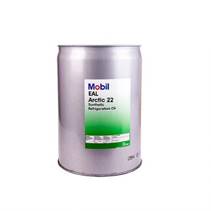
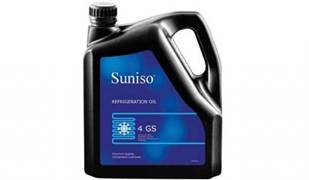
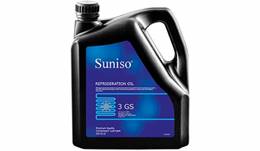
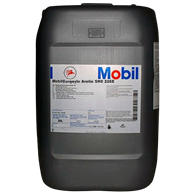
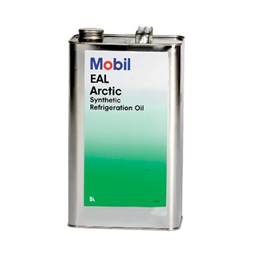
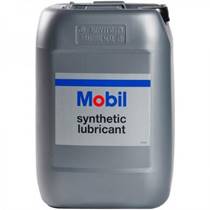
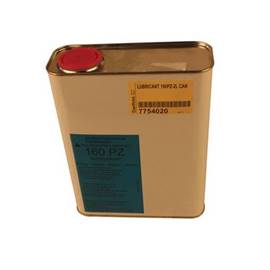
We suggest you to use these Sabroe oils, which are delivered in 20 litre
pails and 208 litre drums and can be ordered using the parts no. listed
in the List of Oils. It is of course
possible to use similar oils from other oil companies, and in this
connection, the Data Sheet for Sabroe Oils may be helpful. Please
note, however, that Sabroe Refrigeration has not tested any other oils
than our own brand, and hence we cannot answer for the quality, the
stability or the suitability of other oils for any purposes. The oil company
in question is thus solely responsible for the quality and suitability
of the oil delivered, and if any problems are experienced with these
oils in the compressors or in the refrigeration plant, the oil supplier
should be contacted directly. When choosing oils from other oil companies,
please pay particular attention to the oil's effectiveness in the
compressor and the refrigeration plant as a whole. Pay particular
attention to the following aspects:
•
Oil type
•
Refrigerant type
•
Compressor type
•
Miscibility between refrigerant and oil
•
Operating data for the compressor
•
Discharge gas temperature
•
Oil temperatures:
Reciprocating compressors: Normal oil
temp. in the crankcase 50-60 °C Max. permitted
oil temperature = Setting point for alarm Min. permitted
oil temperatures = setting point for alarm - if fitted Screw
compressors: The oil temperature before injection in the compressor, but
after the oil cooler Max. permitted
oil temperature = setting point for alarm Min. permitted
oil temperature = setting point for alarm
•
Condensing pressure
•
Evaporating pressure
•
Oil viscosity in the compressor during operation and under the influence
of:
•
Refrigerant type and solubility of refrigerant in the oil
•
Operating temperatures
•
Vapour pressure in the oil reservoir
Reciprocating compressor: Suction pressure and oil temperature in the crankcase.Screw compressor: Discharge pressure and gas temperature. • Compatibility with the neoprene O-rings: the aniline point gives an indication of how the O-ring material reacts to the oil. At an aniline point less than approximately 100°C the material tends to swell, and at an aniline point higher than approximately 120°C it tends to shrink. For this reason it is not recommended to change oil type from M oil to PAO oil as a leakage may occur if the O-rings are not changed. Sabroe Refrigeration therefore recommends using the Sabroe AP68 oil as it reduces the risk of leaks considerably in this case. Sabroe Refrigeration can supply a calculation showing the operating data on request. Attention is drawn to the following viscosity limits during operation:
•
Optimum viscosity range (to be designed for) = 20 to 50 cSt
•
Max. permissible viscosity =100 cSt
•
Min. permissible viscosity =10 cSt (only applicable to HCFC and HFC
under cartain operating conditions: 7cSt) • Max. permissible viscosity during the starting of the compressor =500 cSt Maximum refrigerant concentration in the oil at running condition: 25% - also if viscosity requirements are met. Use of mineral oil Lately we have
experienced a number of problems with mineral oil, particularly in R717
plants. The problems can be divided into two groups: a. The oil
changes viscosity within a few operating hours. b. The oil
decomposes (becomes very black) within a few operating hours. The
problems have been seen with several oil brands and have resulted in
severe consequences for both
compressors and plants. When using mineral oil, it is thus important
that the plant is monitored very closely, that oil samples are taken
regularly (every 1-2,000 hours) and that the condition/colour of the oil
is checked on a weekly basis. Sabroe
Refrigeration therefore recommends only to use M oil at moderate
operating conditions - cf. the attached oil recommendation diagrams. Sabroe
Refrigeration is aware, however, that several customers have been using
mineral oils for many years without problems. Those customers who wish
to continue using mineral oils in existing, as well as new, compressors
can do so, providing the compressor
type and operating conditions are similar to the existing ones
(excepting the HPC and HPO series compressors). Sabroe Refrigeration has
therefore decided to market a brand of mineral oil which has been tested and found to be suitable for most general refrigerating purposes. If another brand of mineral oil is chosen, the specifications in the data sheet in this recommendation should be followed as a guideline. Mineral oil can be used in refrigerating plants, providing the lubricating quality is carefully monitored. For modern, high capacity refrigeration plants, in which a long lifetime for both lubricant and moving parts is expected, Sabroe Refrigeration recommends using synthetic lubricating oils. A benefit of using the synthetic lubricant oil is a much lower oil carry-over to the plant and longer intervals between oil changes. A better fluidity at lower temperatures also gives an easier drainage at the cold parts of the plant. How to use the oil recommendation diagrams: To determine
the code number, first refer to the Oil recommendation diagram for
the refrigerant and compressor type and then plot the proposed operating
conditions. Example (recip.
compressors): Note: Plants
may operate at different conditions from time to time, for example at
different evaporating temperatures due to plant variations or at
different condensing temperatures due to seasonal changes. By plotting
TC and TE in the oil recommendation diagram, this example would require a No 1 oil. If, however, TE changes at certain times, e.g. from -3 to +7°C, a No 2 oil should be utilised. But, as +7°C is inside the marked area, the No 1 oil can be utilised also at this TE.
Refrigerant:
R134a
Condensing
temp. TC +35°C Evaporating temp. TE -3°C By referring to the Oil recommendation table placed at the bottom of each oil recommendation diagram, it is possible to select the code number for the appropriate oil type. In the example above, a oil code number E5 can be selected. In plants which incorporate both screw and reciprocating compressors and where the recommendations indicate the use of different oil types, please contact Sabroe Refrigeration for advice. Changing oil on Sabroe compressors The oil should
never be changed to another type without consulting the oil supplier.
Nor is it advisable to "top up" compressors with an other oil
than the one already used for the particular plant and compressor.
Mixing different oils may result in operating problems in the
refrigerant plant and damage to the compressors. Incompatibility between
the different oil types may degrade the lubricating properties or may
cause oil residues to form in the compressor or oil separator or in the
plant. These oil residues can block filters and damage the moving parts
in the compressor. Furthermore, changing the oil from one type or make
to another should only be undertaken in connection with a careful
procedure involving the drainage and thorough evacuation of the
refrigeration plant. Information on a suitable procedure can be obtained
from Sabroe Refrigeration as well as from a
number of oil companies. It is imperative that oil is only used from the
original container and that both the make and type complies with the
specification for the plant. Ensure that the original container is
sealed during storage to prevent moisture from the air being absorbed
into the oil - many oils, particularly the polyolester oils, are
extremely hygroscopic. Consequently, it is recommended that the oil is
only purchased in containers corresponding to the amount to be used on
each occasion. If the oil is only partially used, make sure that it is effectively re-sealed in the original container and that it is stored in a warm, dry place. Ideally with nitrogen blanking of the oil to keep the water content below 50 ppm. Oil drums should, ideally, be "racked" and mounted with a proper barrel tap to ensure an effective airtight seal. Oil changing intervals A list of the
recommended intervals for changing the oil can be found in the
compressor instruction manual. These are provided for guidance only. The
actual interval between oil changes will often be determined by a
variety of operating parameters within the plant. It is strongly
recommended to monitor the quality of the oil by carrying out oil
analyses with regular intervals. This will also give a good indication
of the condition of the plant. The service can be supplied by Sabroe
Refrigeration or the oil suppliers. Oil recommendation diagram symbols:
In
case of a new plant. Very suitable.
In
case you wish to change from mineral oil
a
Max oil concentration in liquid phase at: TE: 2% W
b
Max oil concentration in liquid phase: contact Sabroe Refrigeration
c
Min suction temperature -50°C: at TE< -50°C superheating must be
introduced. Dry expansion
systems only. Flooded systems to be considered individually: contact.
Sabroe Refrigeration SH Suction gas superheat, K (Kelvin) L Zone in
which both oils are useable M Calculation must be performed using COMP1
OVER 6000 PRODUCTS AVAILABLE TO PURCHASE DIRECT
Contact Us:Sales & Spares: +44 (0)1234
841221
|